Bathsheba Beach and the Soup Bowls offer a sensory experience that stands in stark contrast to the manicured luxury of Barbados’ West Coast. Here, the atmosphere is defined by the raw, kinetic energy of the Atlantic Ocean meeting the rugged limestone cliffs of St. Joseph. Depending on when you visit, the vibe shifts from a high-octane international surfing arena in the winter months to a lush, contemplative sanctuary during the tropical rainy season. It is a place where the air always tastes of salt spray and the “Atlantic breeze” provides a natural cooling system that makes the hills feel like a different island entirely.
Activities here are dictated by the rhythm of the tides and the tilt of the earth. Whether you are watching world-class athletes navigate the heavy barrels of the Soup Bowl or sitting quietly on a weathered boulder to spot a breaching Humpback whale, the experience is deeply rooted in nature.
It is a “local’s escape,” particularly during the peak of the island’s festival season, offering a grounded, authentic Bajan environment where the passage of time is measured by the sets of waves rather than the hands of a clock. To understand this coast, one must look past the holiday brochures and study the seasonal shifts in swell, wind, and vegetation that define life in St. Joseph. Planning your arrival requires a balance between the desired sea state and the inland climate, which can vary significantly from the rest of the island. For those navigating the trek from the capital, our guide to transport and driving provides the necessary logistics for the winding ascent into the hills.
The Winter Peak: The “Slater Window” and Whale Migrations (December – April)
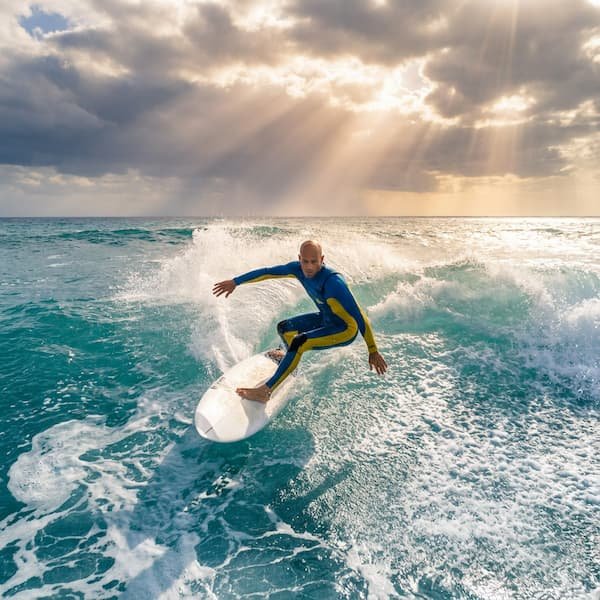
From December through February, Bathsheba becomes the focal point of the global surfing community. This period, often referred to by locals as the “Slater Window” in honour of legendary surfer Kelly Slater’s frequent visits, is when the North Atlantic winter groundswells are most consistent. During these months, the Soup Bowl delivers heavy, world-class barrels ranging from 7 to 15 feet. This is not a season for the casual swimmer—the power of the water is immense, and the ocean safety risks are at their highest. Instead, it is a season for spectatorship and photography.
Between February and April, the focus shifts slightly from the surf to the deep blue horizon. This is the peak window for Humpback whale migrations. These megafauna are frequently spotted breaching and tail-slapping just beyond the reef as they move toward warmer breeding grounds. The elevated patio of the historic Round House serves as a premier land-based observatory. Because the trade winds are strongest during these months, the air temperature in St. Joseph remains a comfortable 78°F to 82°F, though the Atlantic water temperature dips to its annual “low” of approximately 79°F in February.
- Dominant Winds: Strong Northeast Trade Winds providing natural cooling.
- Marine Highlight: Humpback whales (February–April); high visibility for land-based spotting.
- Surf Profile: Maximum consistency; high-period groundswells resulting in 10-foot+ faces.
The Summer Transition: Crop Over and the Emerald Window (May – August)
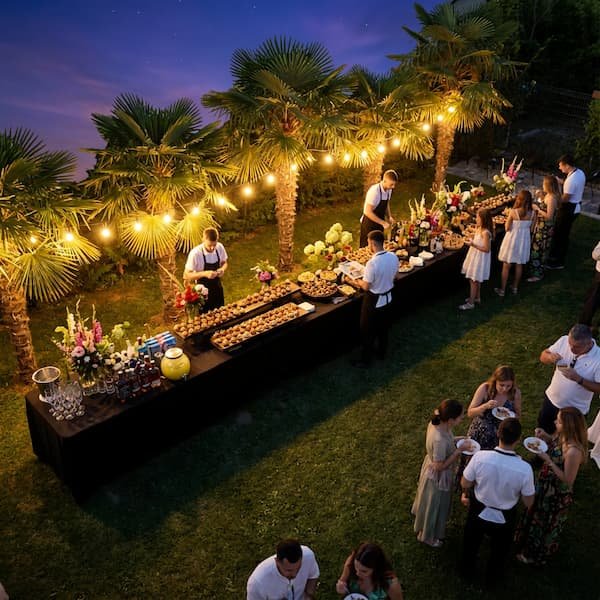
As the island enters the heat of the summer, Bathsheba undergoes a cultural transformation. During the climax of the Crop Over Festival (late July to early August), the East Coast serves as a sanctuary from the high-decibel parties of the South Coast. This is the era of the “Sunday Beach Lime”—large Bajan family gatherings centred around portable grills and domino games. The vibe is authentic and communal. While the rest of the island swelters in 88°F heat, the St. Joseph hills remain 3-5°F cooler due to the persistent “Atlantic breeze.”
Environmentally, this is a complex season. From May to September, the Sargassum seaweed cycle is most active. While this can occasionally blanket the sand, the Soup Bowl break itself typically remains rideable because of the deep-water shelf just offshore. This period also marks the start of the turtle nesting season. Hawksbill and Green turtles occasionally choose the more sheltered pockets of sand near the Mushroom Rocks to lay their eggs, with hatchlings emerging during the full moons of August and September.
Photographers should note the ‘Emerald Window’ that opens in late June. As the rainy season begins, the clay-heavy soils of St. Joseph turn a vivid, electric green, providing a high-contrast backdrop against the white Atlantic foam.
The Autumn Sanctuary: Solitude and Liquid Sunshine (September – November)
The months of September through November are characterized by “Liquid Sunshine”—short, intense tropical downpours followed by brilliant clarity. This is the quietest time on the East Coast. For travelers seeking solitude or writers looking for an atmospheric retreat, this is the ideal season. The sea temperature reaches its peak of 84°F, making the shallow inshore rock pools feel like warm baths, though the humidity is at its annual maximum.
Environmental Dynamics
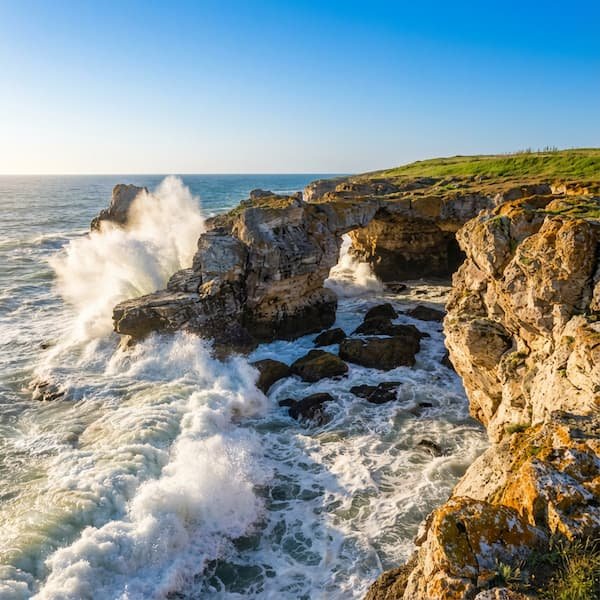
While this is technically hurricane season, Barbados’ eastern position often spares it from direct hits, though the “tail” of passing systems can create dramatic, moody light and massive storm surges. These surges offer a different kind of beauty, as the waves crash higher against the limestone cliffs than at any other time of year. This is the best time to visit nearby botanical attractions like Andromeda Gardens, where the tropical flora is at its most exuberant and hydrated.
Comparative Seasonal Metrics
| Feature | Winter (Dec-Apr) | Summer (May-Aug) | Autumn (Sep-Nov) |
|---|---|---|---|
| Avg Air Temp | 79°F (26°C) | 84°F (29°C) | 86°F (30°C) |
| Water Temp | 79°F (26°C) | 82°F (28°C) | 84°F (29°C) |
| Surf Size | 7-15 ft (Heavy) | 3-6 ft (Moderate) | Variable (Storm Swells) |
| Crowd Level | Peak (Surfers/Tourists) | Moderate (Local Limes) | Low (Quiet Sanctuary) |
| Nature Focus | Whale Watching | Turtle Nesting | Lush Botany |
Strategic Planning & Safety Tips
If your primary goal is the “Atlantic Symphony” of world-class surfing, you must aim for the December to February corridor. However, be prepared for higher prices at local dining establishments and busier car parks. For those who prioritise photography and the lush, tropical aesthetic of the parish, the transition months of June and July offer the best balance of green landscapes and manageable weather. Regardless of the month, visitors should always adhere to the “no swimming” rule in the open Atlantic; the undercurrents here do not respect the seasons. For more on safe areas to wade, consult our safety and logistics guide.
Recommended Coastal Experiences

A Good Bajan Day – Bestselling Barbados Highlights Tour
⭐ Professional local guide included
🔥 Booked 15 times this week

6- Hour Coastal Tour of Barbados with Drinks, Snacks and Lunch
⭐ Professional local guide included
🔥 Booked 12 times this week